How to Apply for an IPO Online in India: The Complete UPI & ASBA Guide for 2026


Ever hit the 'apply' button on an IPO and then spend the next three days refreshing your bank app? You are not alone. Millions of retail investors jump into the primary market every week. Yet, a ton of those applications never even make it to the lottery.
Why? Not because the issue was oversubscribed. But because the applicant missed a mandate approval, typed the wrong demat ID, or bid below the cut-off price. The difference between investors who actually get shares and those who keep missing out isn't luck. It is process discipline.
Applying for an IPO in India is a fully digital, SEBI-regulated process. It runs through two payment mechanisms: UPI and ASBA. Both are designed to block your funds (not debit them) until the allotment is finalised. This guide walks through every single step, the paperwork you need, the bidding strategies that work, and how to execute your bids smoothly through the Vestbox platform.
New to the concept? Start with our what is IPO guide first, then come back here for the tactical walkthrough.
Table of Contents
Click to Expand
- What You Need Before You Apply
- UPI vs ASBA: Which One Should You Use?
- How to Apply for an IPO Online Using UPI
- How to Apply for an IPO Using ASBA (Net Banking)
- Cut-Off Price vs Bid Price (Don't Mess This Up)
- Investor Categories Explained
- The SME IPO Rulebook
- How NRIs Can Apply
- The SEBI Framework Behind Your Application
- Why IPO Applications Get Rejected
- Modifying or Withdrawing a Bid
- The T+3 Timeline: What Happens Next?
- Tips to Maximise Your Allotment Odds
- FAQs
- The Bottom Line
What You Need Before You Apply
You can't just walk into the primary market empty-handed. Three accounts and one identity document must be ready. Skip one, and your application is dead on arrival.
1. A Demat account
This is where your allotted shares get parked electronically. It has to be active. Not dormant. Not KYC-pending. If you haven't used your demat in over a year, check with your depository participant (CDSL or NSDL) to ensure it's operational. A frozen demat means the registrar will bin your application, no matter how perfect everything else is.
2. A trading account
This is your interface for placing bids on the stock exchange's bidding system. With Vestbox, you can apply for ongoing IPOs directly through your app dashboard. No separate trading terminal needed.
3. A bank account linked to your PAN
If you're using UPI, the bank account must be mapped to your UPI ID. If you're using ASBA, it must be with a Self-Certified Syndicate Bank (SCSB). Third-party bank accounts? SEBI disallows them outright.
4. Your PAN card
The Permanent Account Number is the holy grail here. One PAN equals one application per IPO. No exceptions. If you apply through multiple brokers using the same PAN, all your bids get auto-rejected.
Documents needed to open a demat (if you don't have one):
- PAN card (non-negotiable)
- Aadhaar card (identity and address verification)
- Address proof (utility bill, bank statement, passport)
- Identity proof (driving licence, voter ID)
- A cancelled cheque (to link the bank account)
Real-world scenario: An investor had a demat account sitting idle for three years. She applied for a heavily oversubscribed IPO. Rejected at the registrar stage. Why? The demat was classified as dormant. The blocked funds were released, but she lost the allotment chance entirely. A two-minute reactivation request would have saved it.
UPI vs ASBA: Which One Should You Use?
SEBI has authorised two payment routes. Both follow the same rule: your money is blocked, not transferred, until allotment, but they serve different needs.
| Dimension | UPI Method | ASBA Method |
|---|---|---|
| Who can use it | Retail investors (RII); up to ₹5 lakh | All categories (RII, NII, QIB, NRI) |
| How funds are blocked | Mandate request approved on UPI app | Bank places a lien on the amount |
| Where you apply | Broker app/platform (Vestbox) | Bank's net banking ASBA section |
| Mandate approval | Must approve before 5 PM on closing day | Automatic (no separate approval) |
| Speed | Near-instant once approved | Instant on form submission |
| Best for | Retail bids up to ₹2 lakh | HNIs/NII bids above ₹5 lakh; NRIs |
| Categories accessible | RII (and small NII up to ₹5 lakh) | RII, SHNI, BHNI, QIB, Shareholder, Employee |
UPI is the default for retail. It is fast, integrated with platforms like Vestbox, and skips the net banking login. ASBA is for the heavy hitters HNIs applying above the ₹5 lakh UPI cap, NRIs, or folks who want to bypass the UPI mandate approval step.
Pro tip: High-demand retail IPO? Use UPI through your Vestbox app. Deploying ₹5 lakh+ as an NII? You have to use ASBA through your bank.
How to Apply for an IPO Online Using UPI
This is the standard flow for retail investors. Interfaces vary slightly, but the backend process is identical because SEBI's UPI for IPO framework governs the process. Here is how you do it on Vestbox:
- Step 1: Log in. Open your Vestbox app. Head straight to the IPO section. You'll see everything currently open for bidding: price bands, issue sizes, live subscription numbers.
- Step 2: Pick your IPO. Don't just bid blindly. Read the price band, lot size, and dates. Click the Red Herring Prospectus (RHP) link. Scan the risk factors and financial summary.
- Step 3: Pick your category. For most retail investors, this is "Individual" (RII). If you're an employee of the issuing company or an existing shareholder, select those. They have separate reserved quotas and can boost your odds.
- Step 4: Enter lots and price. The minimum is one lot. SEBI allows you to place up to three bids at different price levels, or a single bid at "Cut-off".
- Enter a specific price (e.g., band is ₹72–₹76; you bid ₹74).
- Or select "Cut-off". This tells the system you'll accept whatever price is discovered.
- Step 5: Enter your UPI ID. This must map to your own bank account. Using your spouse's UPI ID? Auto-rejection. SEBI's SEBI Check tool lets you verify your UPI ID mapping before you bid.
- Step 6: Submit. Vestbox uploads your bid to the exchange. The exchange validates your PAN and demat with the depository. Once cleared, it goes to the sponsor bank.
- Step 7: Approve the mandate. Within minutes, you'll get a mandate request on your UPI app (GPay, PhonePe, Paytm). It asks you to authorise blocking the funds. Approve it before 5 PM on the closing day. Miss the deadline? No blocked funds. Void application.
- Step 8: Confirm the block. The amount is now blocked. You'll see it as a "lien" in your bank app. You still earn interest on it. The bid is live.
Critical timing note: The UPI mandate window opens at 10 AM on Day 1 and shuts at 5 PM on closing day. Apply on Day 1. If something breaks, you have time to fix it. Apply in the last hour of Day 3? You're asking for trouble.
Explore Upcoming IPOs on Vestbox
How to Apply for an IPO Using ASBA (Net Banking)
ASBA stands for Application Supported by Blocked Amount. It is the bank-based route. It remains the only option for NII bids above ₹5 lakh and for investors who prefer net banking.
- Step 1: Log in to net banking. Only Self-Certified Syndicate Banks (SCSBs) support ASBA. SBI, HDFC, ICICI, Axis, Kotak, and Bank of Baroda are all SCSBs. Find the "IPO" or "ASBA" section.
- Step 2: Select the IPO. Choose from the list of open issues.
- Step 3: Select your category. ASBA unlocks everything. RII, SHNI (Small NII, ₹2L–₹10L), BHNI (Big NII, ₹10L+), Shareholder, Employee. This is why HNIs use it.
- Step 4: Enter demat details and bid. You need your DP ID and Client ID (the 16-digit demat linked to Vestbox), PAN, and bid details. You can place up to three bids.
- Step 5: Submit. The bank places a lien on the amount immediately. There is no separate mandate approval. The block is instant.
- Step 6: Track it. The Allotment is finalised on T+1 evening. The blocked amount is debited (if allotted) or released (if not) by T+2.
Real-world scenario: A Bengaluru HNI wanted to drop ₹15 lakh on a hot IPO. He tried UPI first and hit the ₹5 lakh cap. Switched to ASBA via net banking, picked the SHNI category, and the application went through. ₹15 lakh blocked instantly. Zero mandate approval hassle.
Learn about the complete ASBA process
Cut-Off Price vs Bid Price (Don't Mess This Up)
Book-built IPOs have a price band (e.g., ₹72–₹76). The final issue price, the "cut-off," is discovered through book-building based on demand. Your choice here dictates whether your application is even considered.
Bidding at a specific price: You say, "I'll buy only if the final price is at or below my bid." Bid ₹74 and the cut-off lands at ₹76? Your application is invalid. You're out.
Bidding at cut-off: You say, "I'll accept whatever price is discovered." Your application stays valid regardless of where the cut-off settles. This is only for retail investors. NII and QIB bidders must quote a specific price.
The takeaway: For retail investors, bidding at cut-off is almost always the smart move. The only time a specific price makes sense is if you have a hard ceiling on what you think the company is worth, and you're fine risking missing out if the price settles higher.
Investor Categories Explained
SEBI splits IPO applicants into three primary buckets. Each has its own reservation, limits, and allotment method.
| Category | Application Range | Allotment Method | Payment Route | Reserved Quota |
|---|---|---|---|---|
| Retail (RII) | Up to ₹2 lakh | Lottery on oversubscription | UPI or ASBA | Min. 35% |
| Non-Institutional (NII) | ₹2L to ₹10L (SHNI); ₹10L+ (BHNI) | Pro-rata | ASBA (above ₹5 lakh) | Min. 15% |
| QIB | No upper limit | Pro-rata, discretionary | Institutional | Max. 50% |
Sometimes you'll see Shareholder or Employee categories. These have separate reserved quotas and can massively improve your odds if you qualify.
Here's the decision point: invest ₹2 lakh or less, and you're RII. Go above ₹2 lakh, and you're NII. Pro-rata allotment means your larger bid earns a proportionally larger allocation, but it's never guaranteed.
Read our Complete IPO Pillar Guide: What is an IPO?
The SME IPO Rulebook
SME IPOs (listed on BSE SME or NSE Emerge) have a different rulebook. These aren't minor footnotes. They change how you apply.
- Minimum application is ₹2 lakh (usually 2 lots). Mainboard IPOs can have lots as cheap as ₹15,000. SEBI's revised framework mandates that individual investors in SME IPOs apply for a minimum of 2 lots, pushing the total value above ₹2 lakh.
- Cut-off is disabled. You can't select "cut-off" for an SME. You must enter a specific price within the band. If the final price settles above your bid, you're out.
- The UPI limit still applies. Minimum SME bids are above ₹2 lakh but usually below ₹5 lakh. You can still use UPI via Vestbox. But if the lot size exceeds ₹5 lakh, ASBA is mandatory.
- Market maker reservation. Every SME IPO reserves a portion for a market maker to provide two-way quotes post-listing. It doesn't affect your application, but SME stocks can have lower liquidity and wider spreads after listing.
Vestbox data: SME IPO applications rejected for "below minimum size" or "cut-off selected" account for a huge chunk of invalid bids, totally preventable errors.
How NRIs Can Apply
NRIs, PIOs, and OCIs can invest in Indian IPOs. But the paperwork is stricter, governed by the RBI under the Foreign Exchange Management Act (FEMA), 1999.
What NRIs need:
- Valid PAN card
- NRI demat account (separate from resident demat)
- NRI trading account
- NRE or NRO bank account (NRE for repatriable, NRO for non-repatriable)
- Portfolio Investment Scheme (PIS): RBI approval is mandatory for repatriable investments under FEMA.
Application route: NRIs can use UPI (if their NRE/NRO bank supports it) or ASBA. For ASBA, they must apply through a designated SCSB branch handling NRI applications.
Category: NRIs investing up to ₹2 lakh are RIIs. Above that, they're NIIs. Allotment mechanics are identical to resident investors.
The SEBI Framework Behind Your Application
Specific SEBI regulations govern every step. This is the legal framework protecting your money.
- SEBI ICDR Regulations, 2018: The master regulation. Regulation 32 dictates category splits (35% RII / 15% NII / 50% QIB), while Regulation 26 handles book-building.
- SEBI Master Circular (SEBI/HO/CFD/PoD-2/P/CIR/2024/19014 dated Nov 11, 2024): Consolidates all prior ICDR circulars into one 132-page document. Covers ASBA, UPI, and procedural requirements.
- SEBI Circular (SEBI/HO/CFD/DIL2/CIR/P/2022/45 dated April 5, 2022): Hiked the UPI transaction limit from ₹2 lakh to ₹5 lakh, effective May 1, 2022.
- SEBI Circular (SEBI/HO/CFD/TPD1/CIR/P/2023/140 dated Aug 9, 2023): Slashed the IPO listing timeline from T+6 to T+3.
- SEBI ASBA Framework: Ensures funds stay in your bank account (earning interest) until allotment. Eliminates refund risk.
Need to file a grievance? Escalate like this: Broker/Bank → Registrar → Stock Exchange grievance cell → SEBI SCORES portal. Visit SEBI Master Circulars
Why IPO Applications Get Rejected
Most applications fail because of preventable errors. Here's what kills bids:
- You ignored the UPI mandate. Submitted the bid, got distracted, forgot to approve the mandate before the 5 PM closing time. No blocked funds. Void application.
- Multiple applications, same PAN. Applied via UPI and ASBA with the same PAN? All bids auto-rejected.
- Name mismatches. PAN name doesn't match demat or bank name? Registrar verification fails.
- Wrong DP ID/Client ID. One typo in your 16-digit demat number kills the application.
- Dormant demat. Haven't used it in a year? It's dormant. Shares can't be credited. Application rejected.
- Third-party UPI. Using your spouse's UPI ID is illegal. It must map to your own bank account.
- Bid below cut-off. Bid ₹74, cut-off lands at ₹76. Invalid bid.
- Cut-off on SME. Cut-off is disabled for SMEs. Select it, and the exchange rejects the bid.
Real-world scenario: During a massive 2024 IPO, an investor applied via UPI at 4:45 PM. The mandate hit his UPI app at 4:52 PM. He was on a call. By the time he checked at 5:10 PM, the window was closed. The application was never registered. Lesson? Apply on Day 1.
Modifying or Withdrawing a Bid
SEBI lets you modify or withdraw before the issue closes.
- UPI: Log back into Vestbox, hit "Modify" or "Withdraw". Change lots, price, or cancel. A new mandate is generated for modifications; approve it before the deadline.
- ASBA: Log in to net banking, locate the ASBA section, select the application, and changes are instant.
- Deadline: 5 PM on closing day. After that, it's locked.
The T+3 Timeline: What Happens Next?
Funds blocked? The clock starts. SEBI's T+3 framework means the whole cycle takes three working days.
| Day | What Happens |
|---|---|
| T (Closing day) | Subscription closes at 5 PM. No more bids. |
| T+1 | Registrar finalises Basis of Allotment. Submits to exchange by 6 PM. Status goes live on registrar portals late evening. |
| T+2 | Funds debited from winners; blocks released for non-allottees. Shares credited to demat accounts. |
| T+3 | Listed on BSE and NSE. Trading begins at the market open. |
No allotment? The block lifts automatically by T+2. No refund transaction because the money never left your account.
Need to check your status? See our dedicated IPO Allotment Status guide.
Tips to Maximise Your Allotment Odds
Nothing guarantees an allotment in an oversubscribed IPO. The lottery is random. But these practices stack the odds in your favor and keep your application alive:
- Bid at cut-off (Mainboard). Keeps you valid regardless of the discovered price.
- Apply on Day 1. Gives you a buffer to fix mandate errors or glitches.
- One clean application. One PAN, one demat, one UPI ID mapped to your bank.
- Approve mandates instantly. Do it within minutes of receiving the request.
- Check your demat. Log in once before the IPO to make sure it's active.
- HNI capital above ₹5 lakh? Use ASBA. UPI is capped. ASBA unlocks NII categories with pro-rata allotment.
- Use family accounts. Legal and smart. Each family member with a separate PAN and demat can apply independently.
- SME IPOs? Bid at the upper band. Cut-off is disabled. Bidding at the top keeps you valid if the price discovers high.
Estimate your net listing profit using our IPO Listing Gain Calculator.
FAQs
What documents do I need?
PAN card, active demat, bank account linked to PAN, trading account. For UPI, a UPI ID mapped to your bank.
Can I apply without a demat?
No. Hard stop. Allotted shares are credited electronically.
What is the UPI limit?
₹5 lakh per transaction since May 1, 2022 (SEBI circular SEBI/HO/CFD/DIL2/CIR/P/2022/45). Above that? Use ASBA.
Cut-off vs bid price?
Cut-off means you accept the discovered price. Specific bid means you'll buy only at or below that price, and the cut-off is retail-only.
Can I apply through multiple brokers?
No. One application per PAN. Multiple applications trigger auto-rejection.
Can I modify my bid?
Yes, until 5 PM on closing day via your broker or net banking.
What happens to my money if I don't get shares?
The block lifts automatically by T+2. The money never leaves your account.
Can NRIs apply?
Yes. They need a PAN, NRI demat, NRE/NRO account, and PIS approval from the RBI under FEMA.
Is the process the same for SMEs?
No, the minimum application is ₹2 lakh (usually 2 lots), the cut-off is disabled, and you must enter a specific price.
The Bottom Line
Applying for an IPO in India is straightforward but only if you follow the rules. Open a demat, choose UPI or ASBA, place your bid at the cut-off, approve the mandate, and wait for T+3. What trips people up isn't complexity. It's the details. Mandate deadlines. The one-PAN rule. SME exceptions. Cut-off logic.
Investors who win are the ones who understand the SEBI framework, apply cleanly on Day 1, and never give the registrar a reason to reject them. That's process discipline. In a lottery-based system, it's the only variable you control.
Ready to apply? Track live subscriptions, place UPI-based bids, and monitor your allotment status all from a single Vestbox dashboard built for investors who prefer clarity over chaos.
Disclaimer
Mutual fund investments are subject to market risks. Read all scheme-related documents carefully. Please consult a certified financial advisor before making any investment decisions.
Trust & Compliance
This article has been created following our strict Editorial Policy. We believe in complete transparency regarding how we operate; you can read our Disclosures. For legal liabilities and risk factors, please review our Disclaimer.
Share & Save Article
Other Posts

What is ESOP? A Complete Guide to Employee Stock Ownership Plans
Aug 6, 2026
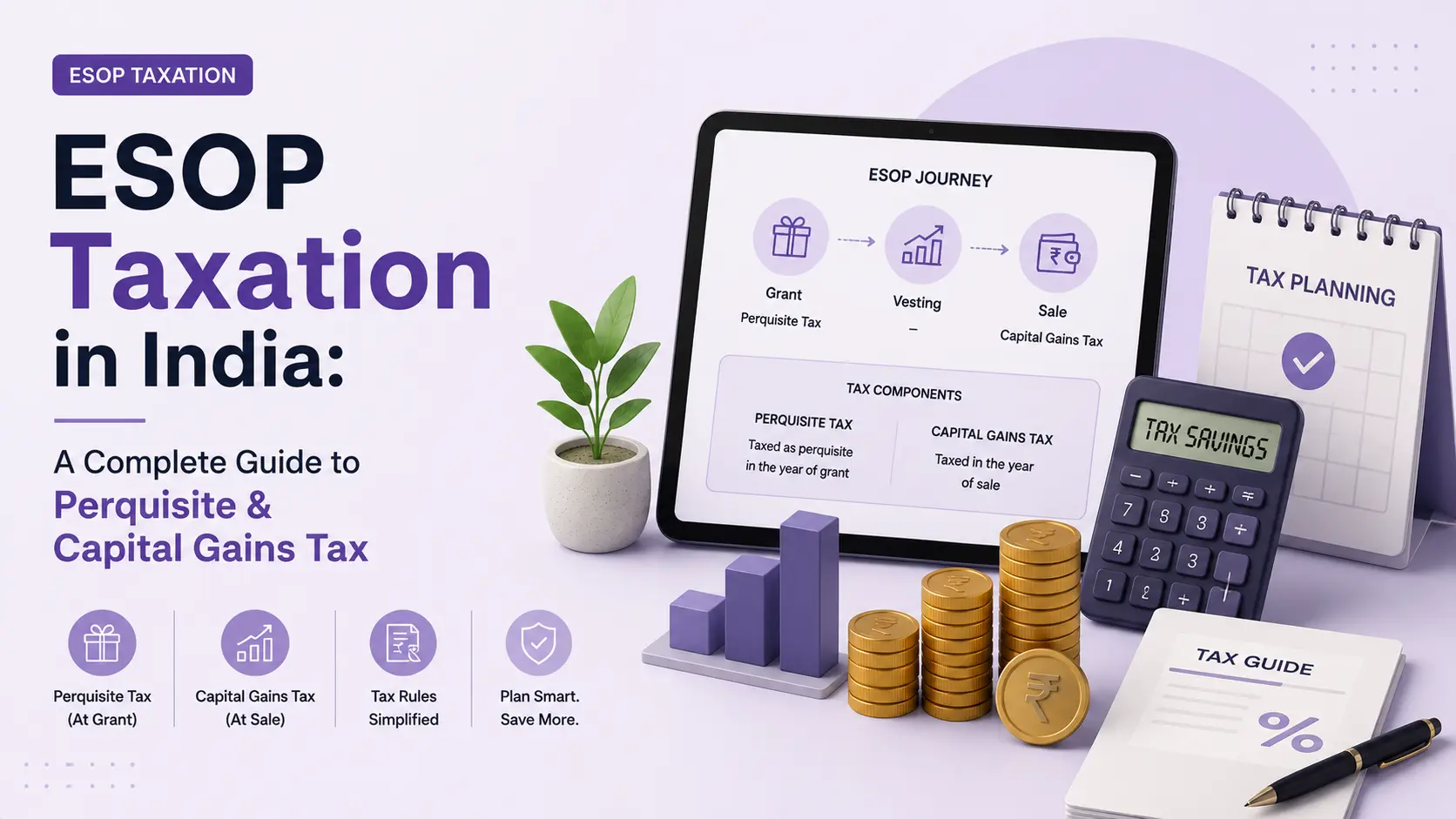
ESOP Taxation in India: A Complete Guide to Perquisite & Capital Gains Tax
Aug 7, 2026
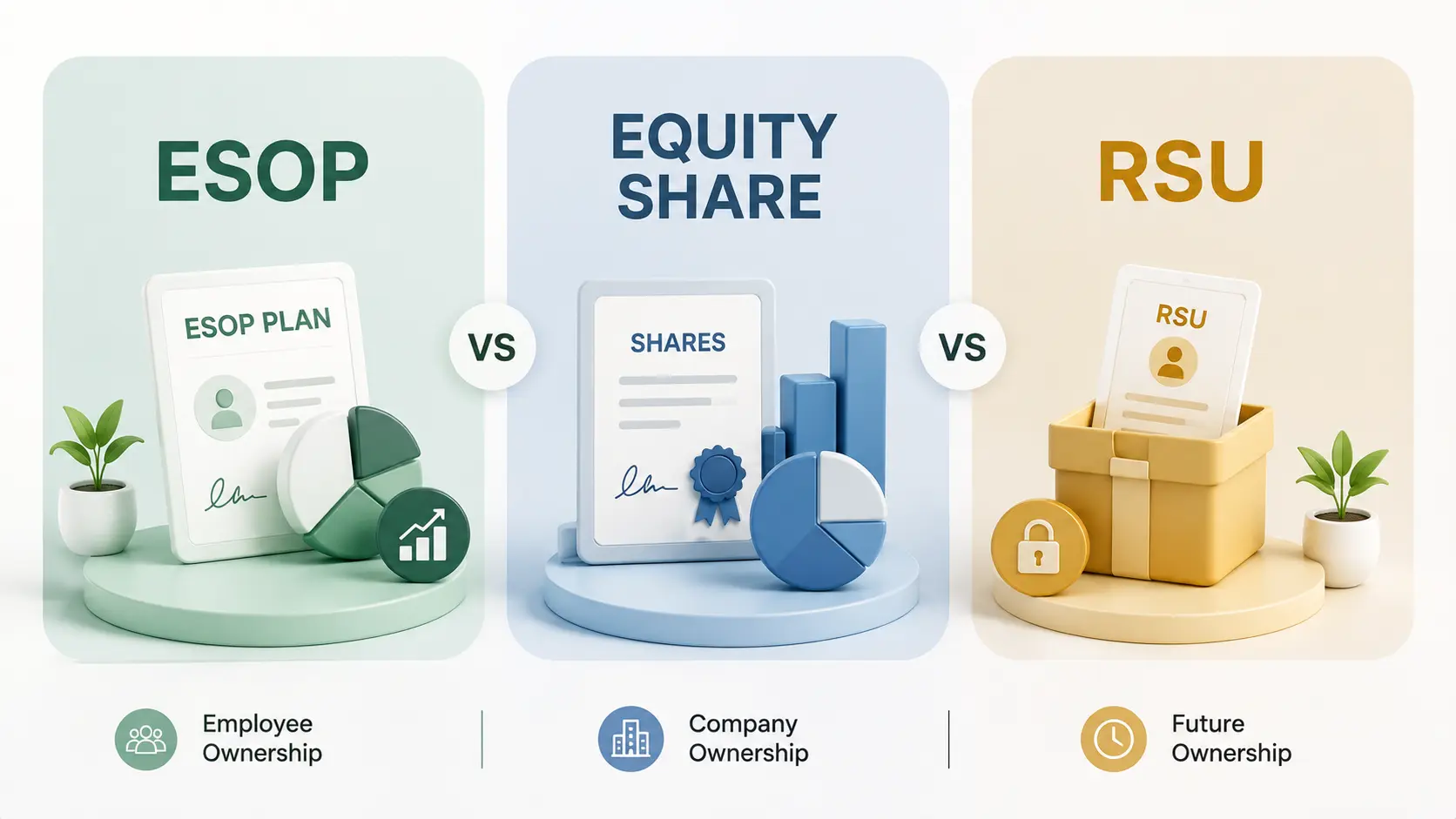
ESOP vs Equity Shares vs RSU: Understanding Employee Equity
Aug 11, 2026
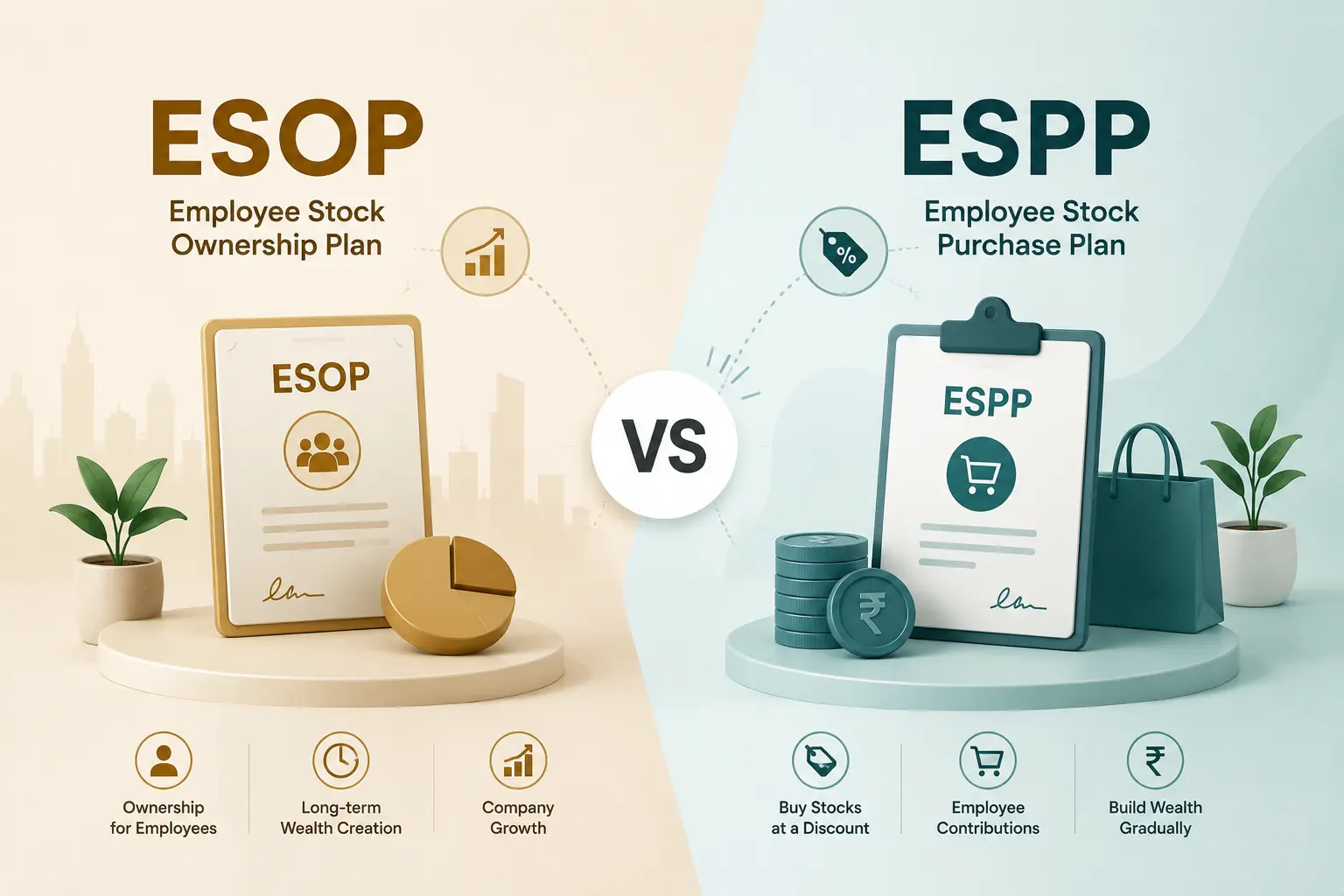
ESOP vs ESPP: Which Employee Equity Plan is Better?
Aug 11, 2026
