Creating Wealth with ESOPs: Steps You Actually Need to Take

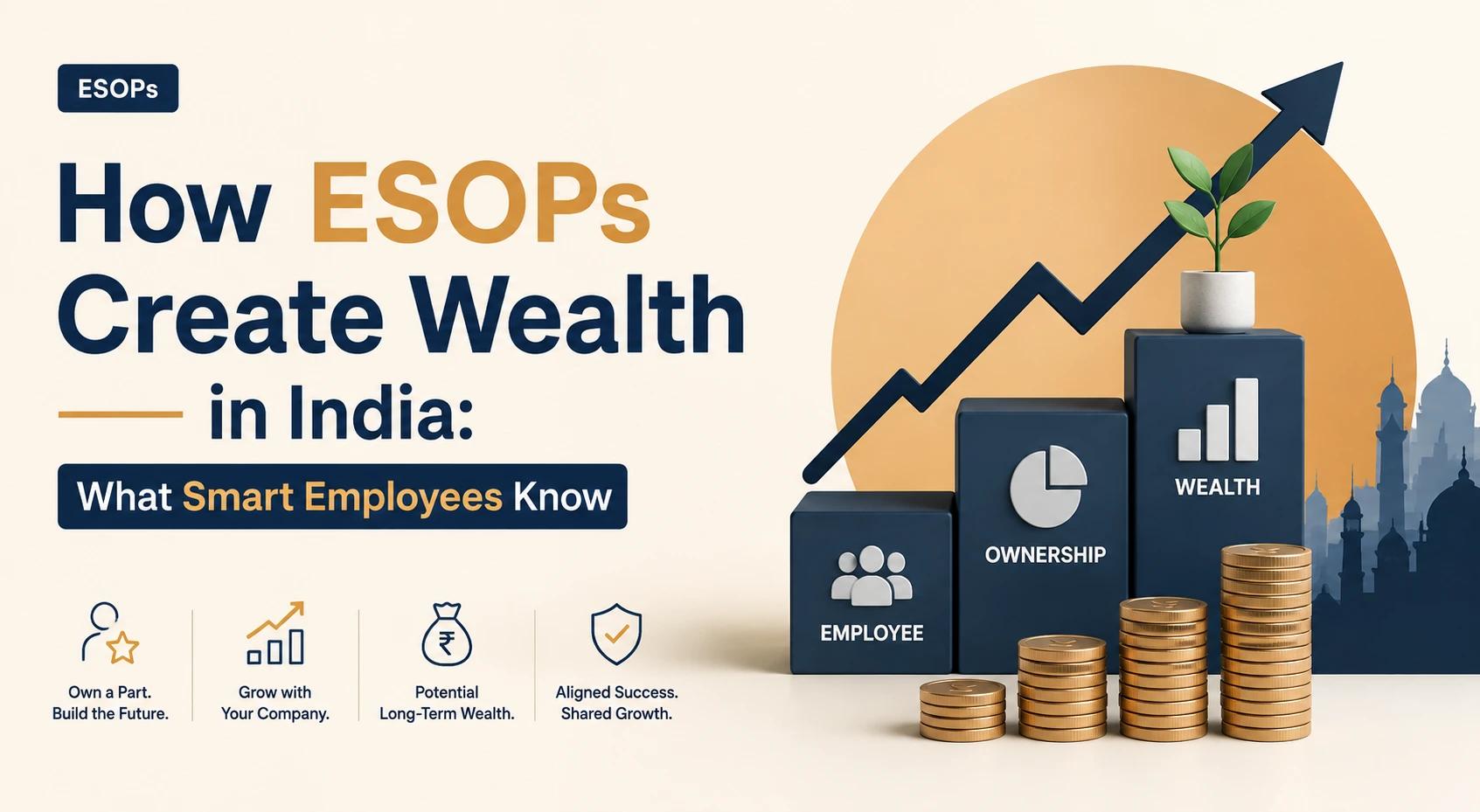
Table of Contents
Click to Expand
- How ESOPs Actually Build Wealth
- The Illusion of ESOP Wealth
- What You Need to Know Before You Exercise
- The Strategy: How to Actually Create Wealth with ESOPs
- The IPO Wealth Trap: A Quick Scenario
- The Biggest Mistake Executives Make
- How Vestbox Helps & Why Choose Vestbox
- Conclusion / Final Thoughts
- Frequently Asked Questions
You look at your ESOP dashboard. The company valuation has tripled since you joined.
The numbers show you have lakhs or millions.
You feel rich. You tell your friends you are rich.
But you aren't. Not yet.
Paper wealth and actual wealth are two completely different things. In the Indian start-up ecosystem, we see employees make the same mistakes year after year. They treat ESOPs like a lottery ticket. They ignore the mechanics. When the liquidity event finally happens, they lose a massive chunk of their money to taxes and poor planning.
If you want to create actual wealth with ESOPs, you have to understand the hidden traps.
How ESOPs Actually Build Wealth
The mechanics of ESOP wealth creation rely on one simple concept: Leverage.
You are given the right to buy a valuable asset at a heavily discounted, locked-in price. As the company raises capital at higher valuations, the value of your options skyrockets. You didn't have to put down crores of rupees to get that upside.
If you want to see the exact timeline of how options unlock and the math behind the discounts, read our complete guide on What is ESOP.
But knowing the math is only 10% of the battle. Managing the outcome is the other 90%.
The Illusion of ESOP Wealth
Let's look at the hard truth.
Imagine you are a senior VP at a tech startup. You have 50,000 vested ESOPs. The recent funding round valued them at ₹2,000 each. Your paper net worth is 10 Crores.
Here is the reality:
- The shares are unlisted. You cannot sell them.
- You owe almost 60 Lakhs in perquisite tax to exercise them.
- 80% of your total net worth is tied to a single, illiquid stock.
If the funding dries up or the IPO is delayed by three years, your ₹10 Crore wealth vanishes. You are not wealthy. You are dangerously over-exposed to a single company.
What You Need to Know Before You Exercise
You cannot just wait for the IPO date and hope for the best. Wealth creation requires proactive planning.
-
The Cash Flow Trap: To exercise your options, you have to write a check to the company. You also have to pay the perquisite tax out of your own pocket. If you don't have liquid savings sitting in a bank account, you cannot buy the very shares that are supposed to make you rich. Some employees even take personal loans to exercise ESOPs, which is a massive financial risk.
-
The Dilution Threat: As a company grows, it raises more money. Every time they issue new shares to investors, your percentage ownership gets smaller. A smaller piece of a bigger pie is usually good, but you need to track how your specific share pool is being diluted over time.
-
The Tax Drag: In India, ESOP taxation is brutal. If you exercise and sell too quickly, you trigger short-term capital gains. If you hold shares in a risky startup just to save on long-term capital gains tax, you are gambling with your net worth to save a few percentage points in taxes.
The Strategy: How to Actually Create Wealth with ESOPs
Creating real wealth means safely converting paper into diversified, liquid assets.
Plan Your Exercise in Tranches
If your company allows a long exercise window, do not exercise everything on day one. Map out your tax brackets. Exercise a portion of your shares in a year where your salary income is lower, spreading out your tax liability.
Understand Secondary Sales
You do not always need to wait for an IPO. Many mature start-ups allow employees to sell a small percentage of their vested shares to new incoming investors during funding rounds. This is called a secondary sale. It lets you withdraw actual cash from the company years before the IPO.
Prepare for the Liquidity Event
The day the IPO hits, you will face immense pressure. Friends, family, and luxury car dealers will suddenly be very interested in you. Have a pre-written financial plan before the lock-in period ends. Know exactly how much tax you owe, exactly how much debt you are paying off, and exactly where the remaining cash is going.
The IPO Wealth Trap: A Quick Scenario
Rahul's startup finally goes public. He sells his ESOPs and gets 5 Crores in his bank account.
The Mistake: He leaves it in a savings account while he "decides what to do." Or he puts ₹4 Crores into an under-construction flat. He is now trapped in real estate. His money is dead.
The Institutional Move: Rahul pays off his ₹50 Lakh tax liability. He puts 1.5 Crore into liquid debt for emergencies. He allocates the remaining 3 Crore into a focused, actively managed equity portfolio. His capital continues to compound, safely diversified away from his employer.
The Biggest Mistake Executives Make
The biggest mistake is failing to de-risk.
When an executive finally sells 5 Crores worth of ESOP shares, what do they do? They leave it in their savings account. Or worse, they put it all into real estate. They go from having 100% of their wealth in one stock to having 100% of their wealth in one asset class.
You spent a decade building concentrated risk in a startup. Now you need to institutionalize that wealth.
This is where professional portfolio management becomes mandatory. If you are dealing with ESOP wealth, you have crossed the HNI threshold. You can read about the HNI glass ceiling with mutual funds to see why standard mutual funds are structurally inefficient for the kind of concentrated, high-conviction portfolios you need at this level.
How Vestbox Helps & Why Choose Vestbox
You shouldn't manage a multi-crore liquidity event with a basic brokerage account.
Why choose Vestbox:
- Pre-Exercise Diagnosis: Before you trigger a massive tax event, run a structural portfolio review. We will show you if your current investments are leaking tax efficiency, so you know exactly how much cash you need to free up.
- Post-IPO Diversification: When your ESOP money finally hits your bank account, we help you replace that single-stock risk. Through Portfolio Management Services in India, we build a focused, high-conviction portfolio of 20-30 stocks across different sectors. We actively monitor and rebalance it so you are never exposed to a single company's failure again. To see how this active management works, read our breakdown of how PMS works through construction and monitoring.
You did the hard work. You built the company. Don't let poor planning waste the payout.
Ready to diversify your ESOP wealth? Explore Portfolio Management Services in India and see how institutional-grade management protects your capital.
Conclusion / Final Thoughts
ESOPs are the ultimate wealth creation tool for the modern Indian professional. But the wealth is locked behind complexity, illiquidity, and heavy taxation.
You do not create wealth by staring at an ESOP dashboard. You create wealth by strategically exercising the options, managing the cash flow, and instantly diversifying the proceeds as soon as you are allowed to sell.
Stop thinking like an employee holding options. Start thinking like an institution managing a liquidity event.
Frequently Asked Questions
Can ESOPs really make you a crorepati?
Yes, but usually only in start-ups that reach unicorn status or go public. It requires years of vesting, surviving the cliff period, and the company actually achieving a high-valuation exit.
Is it better to take a higher salary or more ESOPs?
Take a higher salary to secure your lifestyle. Only compromise on cash for ESOPs if you have a six- to-twelve-month emergency fund and you genuinely believe the company has a high probability of a massive valuation jump.
How do I avoid paying too much tax on my ESOPs?
Do not exercise all your shares in one year. If your company allows a long exercise window, exercise them in smaller tranches over multiple financial years to keep yourself in a lower income tax slab.
What is the biggest risk of holding onto ESOP shares after an IPO?
Concentrated risk. If you hold 90% of your net worth in your employer's stock and the company misses quarterly earnings, your entire wealth plummets. Professional wealth managers recommend selling a large portion of ESOP shares post-IPO to diversify without delay.
Disclaimer
Mutual fund investments are subject to market risks. Read all scheme-related documents carefully. Please consult a certified financial advisor before making any investment decisions.
Trust & Compliance
This article has been created following our strict Editorial Policy. We believe in complete transparency regarding how we operate; you can read our Disclosures. For legal liabilities and risk factors, please review our Disclaimer.
Share & Save Article
Other Posts

How to Fund Your ESOP Exercise: Loans vs. Selling Investments
Aug 11, 2026
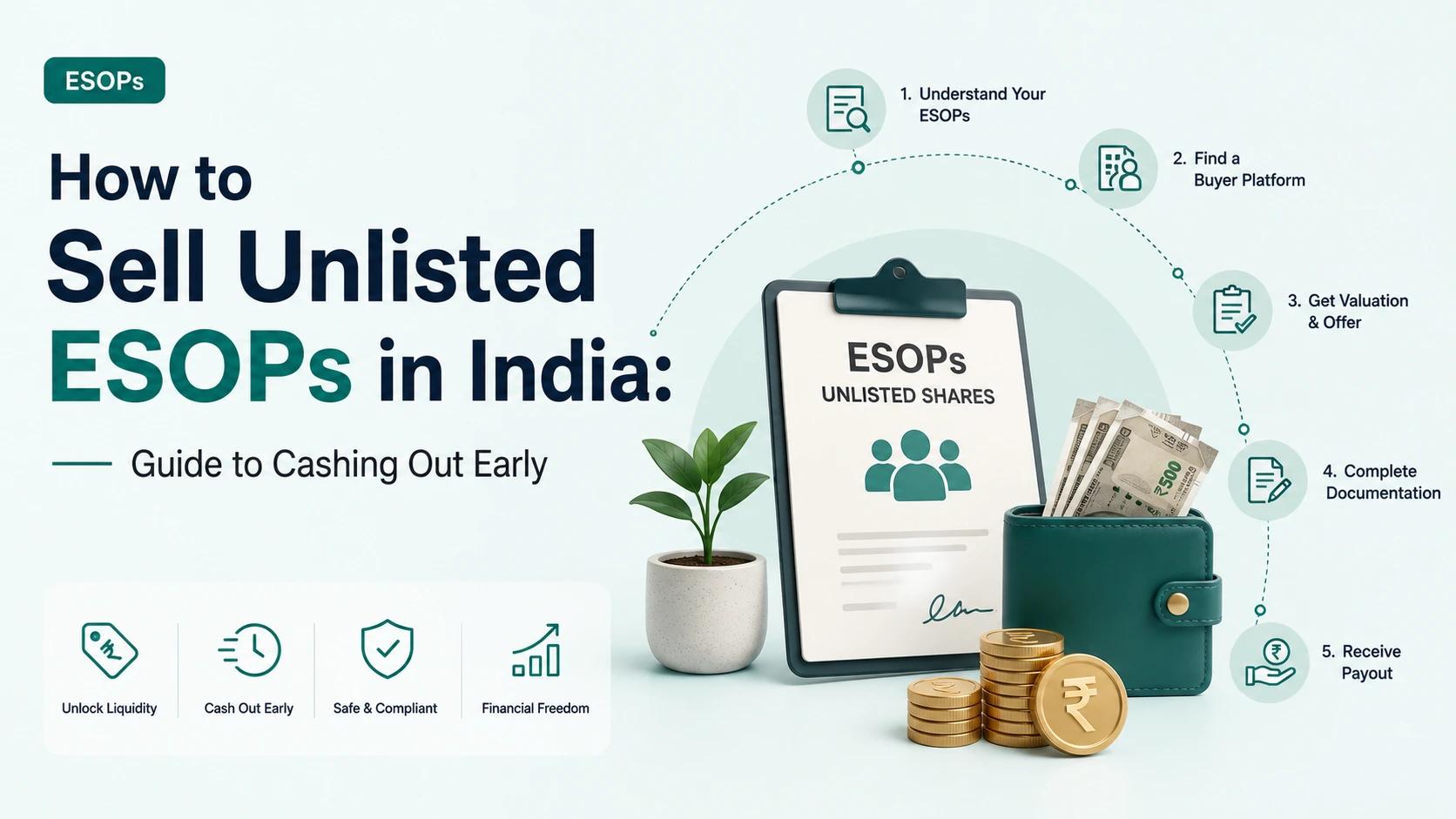
How to Sell Unlisted ESOPs in India: Guide to Cashing Out Early
Aug 6, 2026
How to Check Income Tax Refund Status Online: A Complete Guide
Jul 18, 2026
Why is Income Tax Refund Delayed? A Complete Guide to Processing Times
Jul 18, 2026
